

In recent years, the concept of wellness has evolved beyond yoga mats and green smoothies.
Today’s wellness landscape is being reshaped by technology—apps, wearables, smart home
devices, and even artificial intelligence are redefining how we care for our minds and bodies.
The modern wellness movement is not just about physical health; it’s about achieving balance,
mindfulness, and sustainable self-care in a fast-paced, digitally driven world. Let’s explore how
technology and wellness are merging to create a new era of health empowerment.
Wellness used to be associated with gym memberships and diet plans. Now, it’s a lifestyle
philosophy supported by data, personalization, and digital tools. This movement focuses on
preventive care, stress management, and long-term vitality rather than quick fixes. People are
seeking more efficient, science-backed, and customized ways to improve their overall
well-being.
Technology has become the bridge that connects ancient self-care wisdom with modern
convenience. From sleep trackers that monitor REM cycles to meditation apps that guide users
through mindfulness exercises, innovation is helping people take charge of their health with
precision and insight.
Wearables have transformed from fitness accessories into powerful wellness companions.
Devices such as smartwatches and fitness trackers now monitor not only steps and calories but
also heart rate variability, blood oxygen levels, and stress patterns.
Modern wearables go beyond simple tracking. They analyze data trends, senders to
move or breathe, and even alert users to potential health issues before symptoms appear. For
example, continuous heart monitoring can detect irregularities early, prompting users to consult
healthcare professionals.
The emotional aspect of wearables is just as significant. Having real-time feedback fosters
motivation, accountability, and self-awareness. It encourages people to see their health as an
evolving journey rather than a destination.
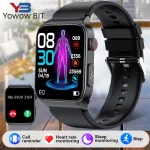
An example of such a wearable is the Smart Health Exercise Watch. It is capable of monitoring the heart, breathing, blood pressure, sleep, blood oxygen, and more while being adaptable to various sports or exercise modes. You can see an example of it on our website.
Smartphones have become personal wellness hubs. Apps designed for meditation, nutrition,
fitness, and emotional health are helping users manage their routines and habits more mindfully.
● Meditation and mindfulness apps like Calm and Headspace teach users to slow down
and reconnect with the present moment.
● Fitness and movement platforms such as Peloton and FitOn turn workouts into
interactive experiences with real-time coaching and community engagement.
● Nutrition trackers help people make smarter food choices and identify dietary
deficiencies.
These platforms use behavioral science to encourage consistent progress. Notifications,
streaks, and achievements gamify the process of self-care, making it both effective and
enjoyable.
In Part 2 we will explore how technology and self-care are blending in our homes and communities.
